Add to Cart »
Strain Overview
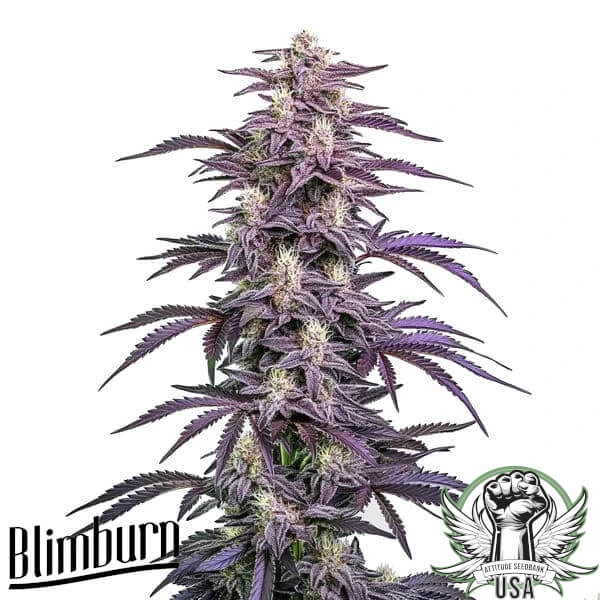
Candyland Peyote is a hybrid cannabis variety developed by Blimburn Seeds, known for producing stable genetics designed for both home cultivators and commercial growers. Created from a cross of Granddaddy Purple, Platinum Cookies, and Peyote Purple, this cultivar combines several well-known American cannabis lineages into a single balanced hybrid. Candyland Peyote seeds are released as feminized seeds, allowing growers to focus on flower-producing plants without the need to identify and remove males during cultivation. With a genetic structure of approximately 60% indica and 40% sativa, Candyland Peyote seeds represent a carefully bred hybrid that emphasizes structure, terpene richness, and reliable growth characteristics.
Genetic Background and Breeding
The genetic makeup behind Candyland Peyote seeds originates from the pairing of Granddaddy Purple with Platinum Cookies and Peyote Purple, three cultivars widely recognized for their distinctive terpene profiles and colorful flower development. This breeding project by Blimburn Seeds was designed to combine the dense flower structure and coloration often associated with Granddaddy Purple with the complex terpene qualities present in Platinum Cookies and Peyote Purple. The resulting hybrid reflects the ongoing innovation found within modern American cannabis breeding programs, where cultivators carefully select and stabilize traits over multiple generations. Candyland Peyote seeds demonstrate how contemporary breeders refine existing genetics to produce cultivars that maintain recognizable lineage traits while introducing new combinations of aroma, structure, and growth characteristics.
Flavor and Aroma Profile
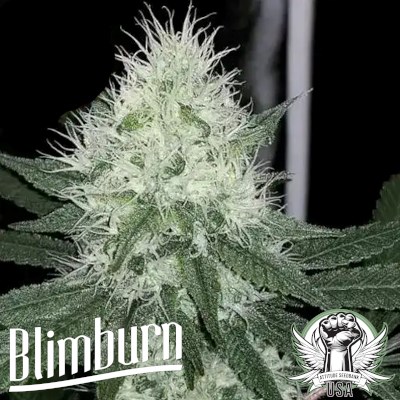
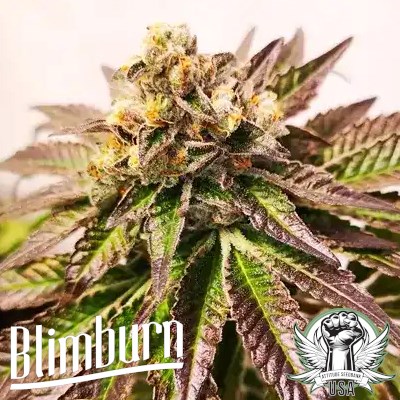
One of the most distinctive features of Candyland Peyote seeds is the cultivar’s layered terpene profile. When grown and properly cured, the flowers typically produce an aroma that blends sweet berry notes with bright citrus tones and a noticeable pine-like sharpness. The berry component often carries subtle hints reminiscent of ripe forest fruit, while the citrus element adds a fresh and slightly tangy brightness to the overall scent. Pine undertones contribute an earthy sharpness that balances the sweetness, giving the profile a well-rounded character. Growers working with Candyland Peyote seeds frequently describe the fragrance as complex yet clean, with the individual terpene layers becoming more pronounced as the flowers mature and develop resin.
Plant Structure and Growth Characteristics
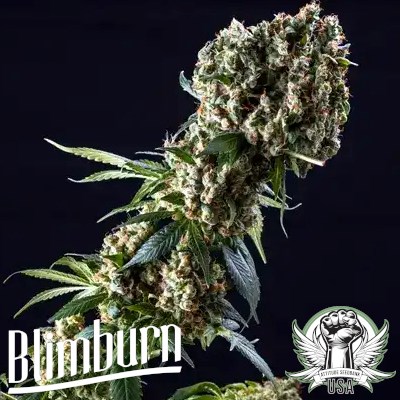
Plants grown from Candyland Peyote seeds generally develop a medium-sized structure that can reach around 1.5 meters in height under favorable conditions. The growth pattern tends to produce sturdy branching and dense flower clusters that form along the central stalk and secondary branches. The hybrid nature of this cultivar contributes to balanced vegetative development, allowing it to adapt well to a variety of training methods used by indoor and outdoor growers. Candyland Peyote seeds are often considered suitable for beginners due to their relatively manageable growth behavior and consistent development. The plant’s structure makes it adaptable to controlled indoor environments as well as outdoor gardens where sufficient sunlight and airflow are available.
Flowering Time and Cultivation Area
Candyland Peyote seeds typically reach maturity within a flowering period of approximately eight to ten weeks when grown indoors. This timeframe places the cultivar within a common flowering window preferred by many growers seeking dependable harvest cycles. The genetics perform well in both indoor cultivation systems and outdoor environments, giving growers flexibility in how they approach production. Indoors, Candyland Peyote seeds can benefit from stable lighting cycles and controlled climate conditions that encourage consistent bud formation. Outdoors, the plants are capable of developing robust structures when provided with ample sunlight and well-drained soil, making them suitable for a variety of growing regions.
Yield Potential
Candyland Peyote seeds are known for producing respectable yields when grown under optimal conditions. Indoor cultivators can expect harvests ranging from approximately 400 to 650 grams per square meter depending on environmental management, lighting intensity, and plant training techniques. Outdoor plants may yield around 450 grams per plant when given sufficient space and sunlight throughout the growing season. These production levels make Candyland Peyote seeds attractive to growers who are looking for a cultivar that combines distinctive terpene characteristics with dependable harvest quantities.
Seed Type and Cultivation Accessibility
Candyland Peyote seeds are offered as feminized seeds by Blimburn Seeds, meaning they are bred to produce female plants that develop flowers rather than pollen-producing males. This seed type simplifies the cultivation process, particularly for new growers who may be learning the fundamentals of plant care and garden management. Because Candyland Peyote seeds are designed with accessibility in mind, they are frequently recommended for beginner growers who want to explore modern hybrid genetics without dealing with complicated cultivation requirements. At the same time, experienced cultivators may appreciate the cultivar’s stable growth patterns and terpene-rich flowers when incorporating Candyland Peyote seeds into larger cultivation projects.
Origin and Development
Candyland Peyote is often described as a modern American cannabis variety that reflects the evolving landscape of hybrid breeding in the United States. Developed from carefully selected parent plants, the strain represents years of experimentation and selective breeding aimed at refining terpene expression, plant structure, and cultivation reliability. The development of Candyland Peyote seeds highlights the broader trend within contemporary cannabis genetics, where breeders focus on combining established cultivars to create distinctive new hybrids. Through this process, Blimburn Seeds has produced a cultivar that reflects both traditional lineage influences and the continuing innovation found in modern cannabis breeding.