

562-786-6918
800-763-1315
800-763-1315



Humboldt CSI Seeds Rat Killer aka Poison Cheese
Out of Stock

Feminized Cannabis Seeds
$120.00

 Add to Cart »
Quantity:

Freebies with every order over $25

Discreet packaging

Fast USA based shipping

Stackable promotional offers

Delivered in original breeder packaging

Call to speak with a human

Monthly, breeder and payment option promotions

Gift cards available
Rat Killer aka Poison Cheese Feminized Cannabis Seeds by Humboldt CSI
Genetic Background
Rat Killer seeds, also known as Poison Cheese seeds, are a feminized hybrid created by Humboldt CSI from the legendary pairing of Durban Poison and UK Cheese. This unique cross combines Durban Poison’s classic sativa structure and herbal characteristics with the bold, pungent qualities of UK Cheese, resulting in a balanced and versatile cultivar with strong hybrid traits.
Appearance
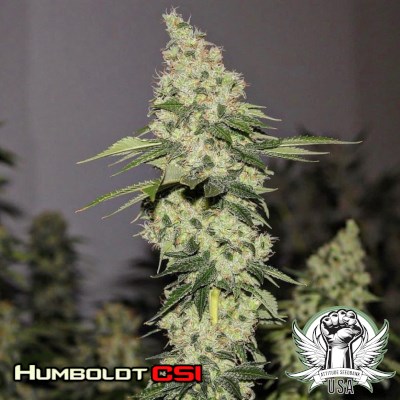
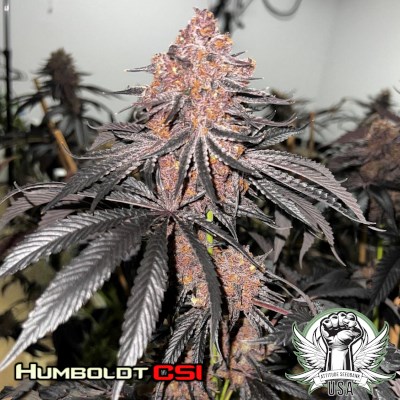
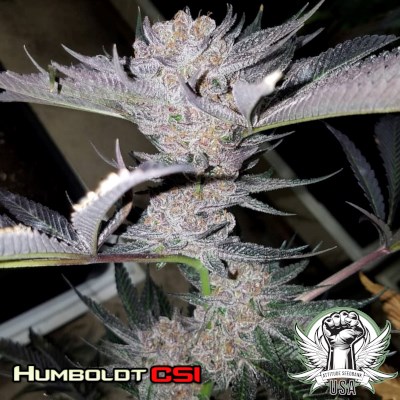
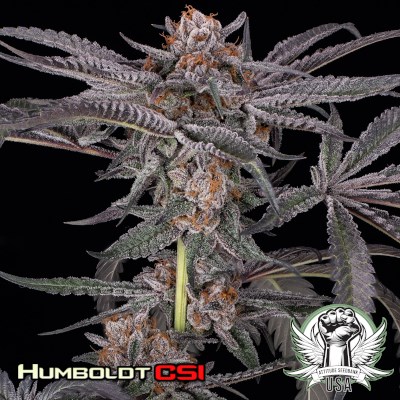
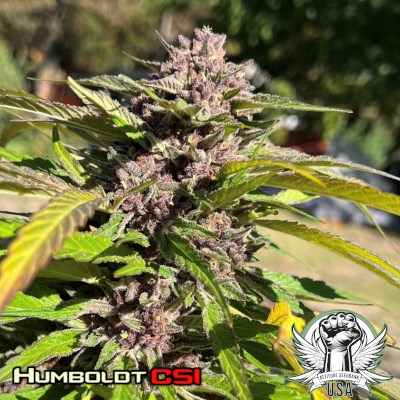
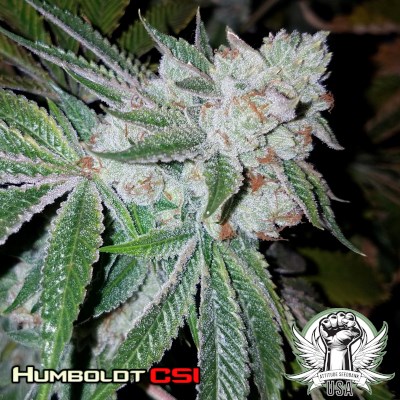
Rat Killer seeds produce plants with dense, resin-coated buds featuring deep green tones with possible purple and blue hues in cooler conditions. The flowers are covered in a thick layer of frosty trichomes, creating a sparkling appearance. Its balanced hybrid structure supports even growth and well-developed bud formation.
Flavor Profile
Rat Killer delivers a complex flavor profile combining sweet spice, citrus, and herbal notes from Durban Poison with the unmistakable savory cheese flavors of UK Cheese. The result is a unique blend of sweet, earthy, and tangy flavors that makes Rat Killer seeds a standout choice for growers seeking distinctive genetics.
Aroma
The aroma of Rat Killer seeds is bold and memorable, featuring strong skunky cheese notes layered with spicy herbs, earth, and subtle citrus tones. This combination of funky and sweet aromas creates a rich terpene profile that reflects its diverse lineage.
Flowering Time and Growth
Rat Killer seeds have a flowering time of approximately 8 to 10 weeks and perform well in both indoor and outdoor environments. The plants develop a strong structure with good branching and adaptability, making them suitable for a variety of cultivation methods. Training techniques can help maximize canopy development and bud production.
Seed Type
Rat Killer seeds are available as feminized seeds, allowing growers to cultivate female plants without the need to remove males. With reliable genetics, distinctive flavors, and versatile growth characteristics, Rat Killer seeds are an excellent option for cultivators looking for a unique Durban Poison and UK Cheese hybrid.
Strain Characteristics
Genetics: Durban Poison x UK Cheese
Flowering Time: 8 - 10 weeks
Type: Hybrid
Area: Indoor / Outdoor
Seed: Feminized
- Genetics: Durban Poison x UK Cheese
- Sex: Feminized
- Flowering: Photoperiod
- Type: Indica/Sativa
- Flowering Time: 56 - 70 days
- Height: Medium
- Area: Indoor & Outdoor

> Suggestions for you