
562-786-6918
800-763-1315
800-763-1315



Sensi Seeds Jack Herer
In Stock

Feminized Cannabis Seeds
$130.00

 Add to Cart »
Quantity:

Freebies with every order over $25

Discreet packaging

Fast USA based shipping

Stackable promotional offers

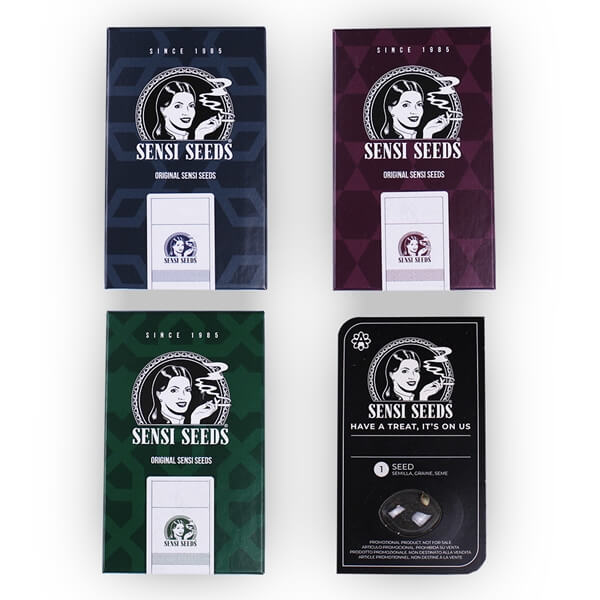
Delivered in original breeder packaging

Call to speak with a human

Monthly, breeder and payment option promotions

Gift cards available
Jack Herer Feminized Cannabis Seeds by Sensi Seeds
Strain Overview
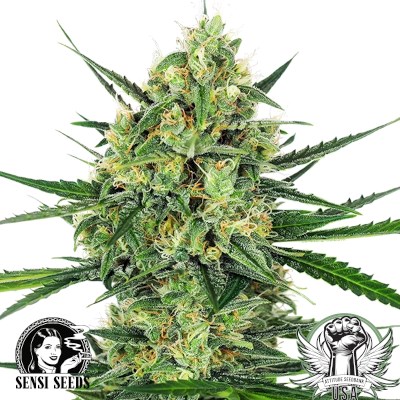
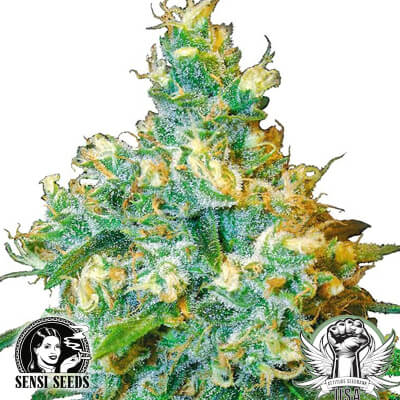
Jack Herer seeds by Sensi Seeds are iconic, award-winning cannabis seeds with a long-standing reputation in cannabis breeding. This Sativa-dominant hybrid combines vigorous growth, strong resin production, and exceptional genetic pedigree. Jack Herer seeds remain a popular choice for growers seeking authentic genetics from the original breeder.
Genetic Lineage
Jack Herer seeds originate from a complex cross involving Northern Lights, Haze, and Skunk #1 genetics. Sensi Seeds carefully stabilized the line through multiple generations, resulting in several distinct phenotypes ranging from strongly Sativa-dominant plants to a more compact, Indica-influenced expression.
Flavor and Aroma
Jack Herer produces a complex terpene profile featuring bright citrus, pine, spice, herbs, floral notes, and subtle sweetness over an earthy Skunk foundation. The combination creates an aromatic and flavorful profile that has helped make Jack Herer seeds a classic among cannabis cultivators.
Cultivation Characteristics
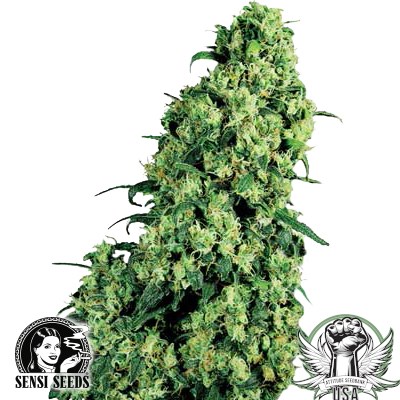
Jack Herer seeds perform well in both indoor and outdoor growing environments. With a flowering period of approximately 55–65 days, plants offer a practical harvest window while maintaining strong yield potential. Most phenotypes develop elongated Sativa-style growth, while the more Indica-influenced phenotype produces shorter, denser colas. Heavy trichome production gives the flowers exceptional visual appeal.
Plant Type and Growing Environment
Jack Herer seeds are Sativa-dominant hybrid cannabis seeds suitable for indoor gardens, greenhouses, and outdoor cultivation in favorable climates. The combination of Haze, Northern Lights, and Skunk genetics provides vigorous growth, adaptable structure, and resin-rich flowers.
Breeder and Legacy
Bred by Sensi Seeds and named in honor of cannabis and hemp advocate Jack Herer, this renowned cultivar has earned a lasting place in cannabis history. Its award-winning pedigree and influence on modern breeding have made Jack Herer seeds one of the most recognizable classic cannabis seed varieties available.
Why Choose Jack Herer Seeds
For growers searching for Sensi Seeds, Jack Herer cannabis seeds, Sativa-dominant seeds, classic cannabis genetics, award-winning seeds, or resin-rich cannabis varieties, Jack Herer delivers proven lineage, vigorous growth, distinctive terpene expression, and dependable cultivation performance.
Strain Characteristics
Genetics: (Northern Lights x Haze) x (Skunk #1 x Haze)
Flowering Time: 55 - 65 days
Type: Hybrid
Yield: High
Area: Indoor / Outdoor
Seed: Feminized
- Genetics: (Northern Lights x Haze) x (Skunk #1 x Haze)
- Sex: Feminized
- Flowering: Photoperiod
- Type: Indica/Sativa
- Flowering Time: 55 - 65 days
- Height: Medium
- Area: Indoor & Outdoor
> Suggestions for you
$82.00
$42.00
$50.00
$95.00
$42.00
$48.00
$42.00
$60.00
$50.00